
Culture: The Force Behind Strong Brands
Brand Book
Vol. III
Brand starts with your people
Brand and culture are the same story, told from different angles.
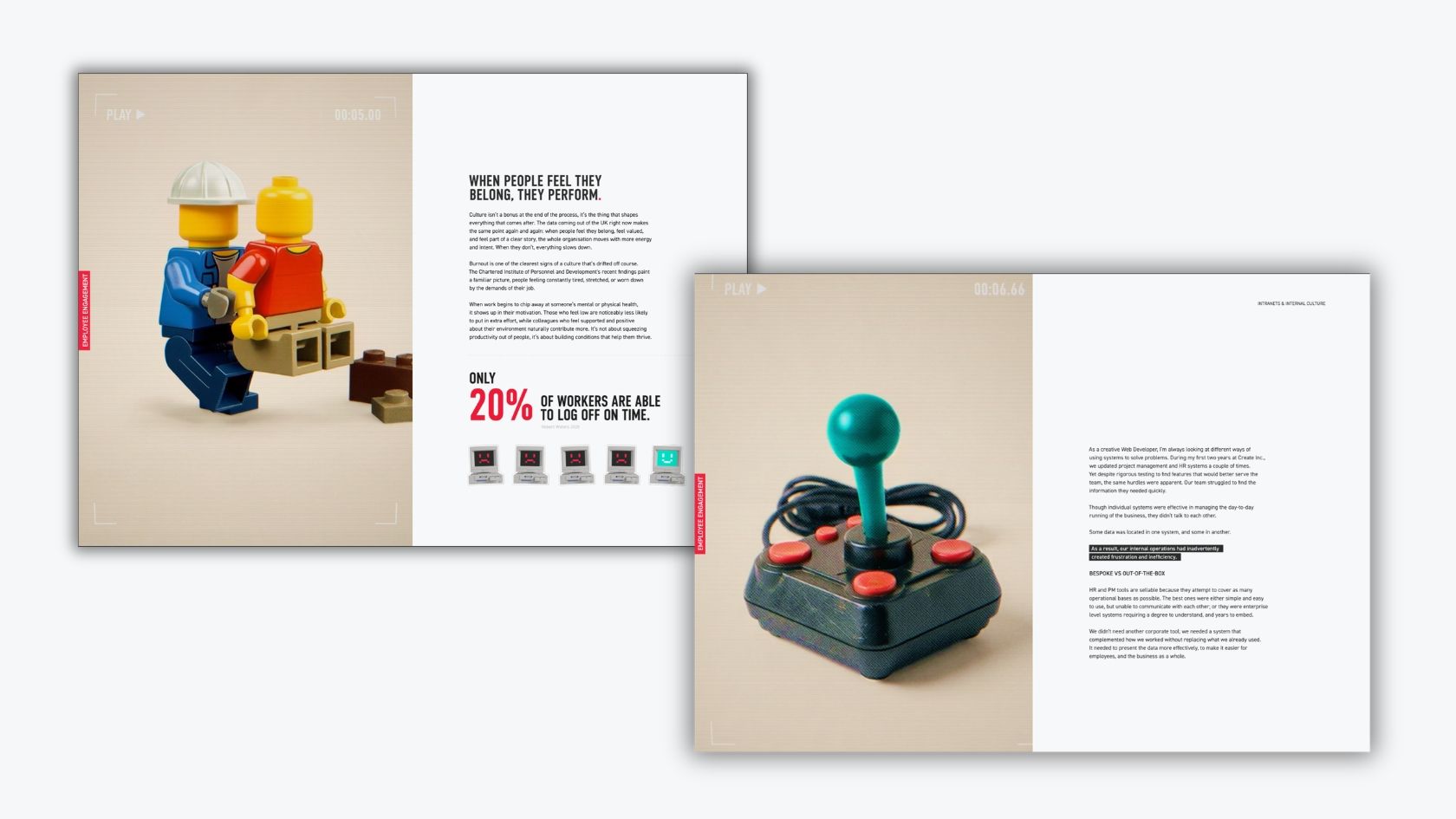
Vol.III of the Brand Book details why it's so important to align who you are on the inside with how you show up on the outside. A positive, aligned workplace shapes performance, trust, and momentum and enables businesses to truly thrive.
Aligned on the inside. Stronger on the outside.
Gain expert advice, insight, and tools for analysing and improving internal branding, cultural alignment, and employee engagement to raise business clarity and momentum.
FREE to read, easy to action.
Including:
- How ESG success rests on team engagement
- "What's your culture type?" Framework
- How to turn brand values into behaviours
- What good hiring and onboarding should look like by Big Sky People
- Assess your culture action board
and more..
Frequently asked questions
Brand Book Vol. 3, titled "Culture: The Force Behind Strong Brands," explores the relationship between internal alignment and business performance
Work culture is a primary driver of organisational energy and intent
Internal branding focuses on aligning existing employees with your brand purpose and values so they deliver consistent, authentic experiences
ESG (Environmental, Social, and Governance) principles provide a framework for ethical impact that resonates with modern team demographics
Values are embedded when they transition from aspirational statements to visible behaviours
"Greenhushing" is the practice of being deliberately vague about sustainability initiatives to avoid potential criticism